Most people don’t struggle with healthy eating because they don’t know what to eat. They struggle because their workdays are unpredictable, tiring, and mentally draining.
A routine that looks good on paper often falls apart once meetings run long, breaks get skipped, or energy dips in the afternoon. That’s why the routines that actually stick aren’t perfect — they’re flexible, simple, and built around real workdays.
Why Most Workday Eating Plans Don’t Last
A lot of routines fail because they ask too much. They rely on cooking every meal, eating at exact times, or making different decisions every day. That works for a short burst, but it’s hard to maintain when work gets busy.
A routine sticks when it removes decisions instead of adding them.
Start With One Reliable Breakfast
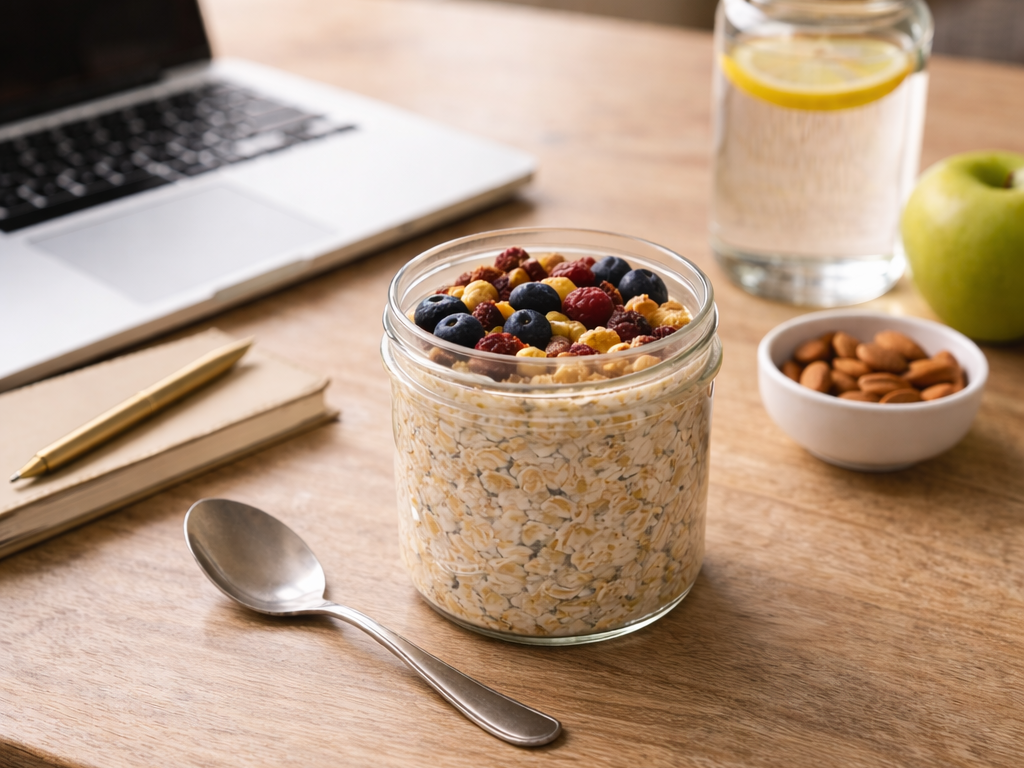
Breakfast doesn’t need variety to work — it needs consistency. Choosing one or two breakfasts you can rely on makes mornings easier and prevents early energy crashes. This might be something quick like yogurt with fruit, eggs with toast, or a smoothie you already know you like.
The goal isn’t the “perfect” breakfast. It’s starting the day with something that doesn’t leave you hungry an hour later.
Build Lunch Around the Same Simple Structure
Lunch is where many routines break down, especially at work. Instead of trying something new every day, it helps to repeat a basic structure: a protein, something filling, and something fresh. Rotisserie chicken with rice and vegetables, wraps with protein and greens, or grain bowls you can assemble quickly all fit this pattern.
Repeating lunches isn’t boring — it’s efficient. Familiar meals reduce decision fatigue and make it easier to eat well consistently.
Use Snacks as Support, Not a Crutch
Snacks are most helpful when they support meals rather than replace them. Keeping a few reliable snacks at work — like yogurt, nuts, fruit, eggs, or crackers with protein — helps bridge long gaps between meals. This prevents energy crashes and makes it less likely you’ll reach for whatever is easiest.
A good routine includes snacks by design, not by accident.
Plan for the Low-Energy Part of the Day
Every workday has a low-energy window, usually mid-afternoon or after work. A routine that sticks anticipates this. That might mean having a filling snack ready, choosing a lighter dinner option, or relying on simple foods instead of cooking from scratch.
When you plan for low energy instead of fighting it, consistency becomes much easier.
Keep the Routine Flexible, Not Fragile
The biggest difference between routines that stick and ones that don’t is flexibility. If missing a meal or eating something different feels like failure, the routine won’t last. If it feels like a small adjustment, it will.
A healthy workday eating routine should bend with your schedule, not break because of it.
Why Repetition Is a Strength
Repeating meals and snacks isn’t a lack of discipline — it’s a strategy. When food choices become automatic, you spend less mental energy deciding what to eat and more energy on everything else that matters. Over time, these small repeated choices add up.
That’s how routines turn into habits.
The routines that stick aren’t the ones that look impressive. They’re the ones you can follow on busy, uneven workdays.
By keeping meals simple, repeating what works, and planning ahead for low-energy moments, eating well becomes part of your workday instead of something you’re constantly trying to fix.
Leave a Reply