Category: Healthy Eating for Busy Professionals

  • Healthy Snacks for Work That Don’t Need Refrigeration

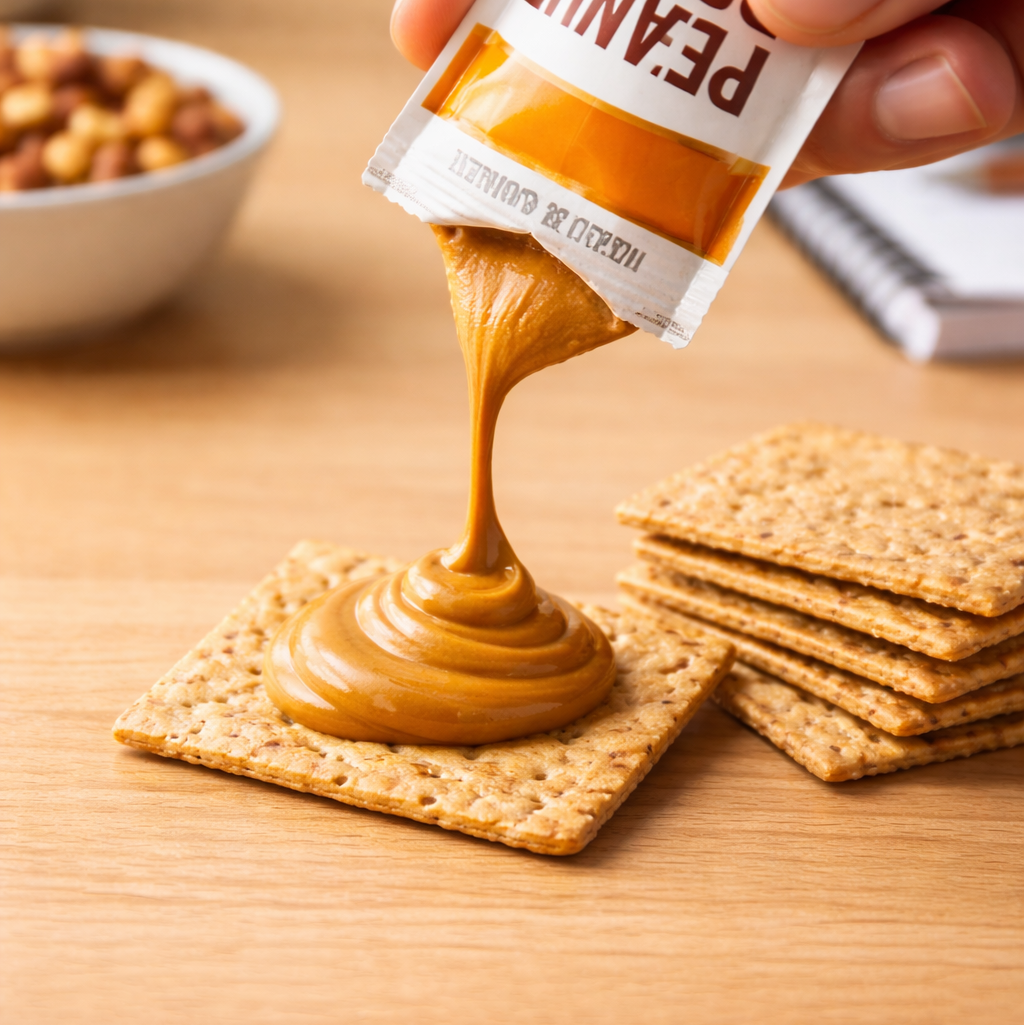
    Peanut butter packet squeezing peanut butter onto a whole grain cracker as a healthy work snack.

    Workdays can get busy quickly. Between meetings, emails, and deadlines, it’s easy for hours to pass before you even realize you’re hungry. When that happens, the easiest option is often whatever snack is nearby, which usually means vending machines or sugary convenience foods.

    One simple way to make healthier choices easier during the workday is to keep snacks nearby that don’t require refrigeration. These types of snacks can sit in a desk drawer, backpack, or office cabinet and still be ready whenever you need them.

    Having a few reliable options within reach makes it much easier to stay energized throughout the day without relying on whatever happens to be available at the last minute.

    Why Shelf-Stable Snacks Are So Useful at Work

    Not every workplace has easy access to a refrigerator. Even when there is one, it may be shared with coworkers or located in a different part of the building. Because of this, foods that stay fresh at room temperature can be incredibly helpful during long workdays.

    Shelf-stable snacks are convenient because they don’t require preparation and they can stay in your workspace for days or even weeks. This makes them perfect for people who have unpredictable schedules, travel between job sites, or simply don’t want to think about packing snacks every single day.

    With a few well-chosen snacks stored nearby, you can avoid the afternoon energy crash that often comes from skipping meals or relying on sugary snacks.

    Simple Snacks That Hold Up Without Refrigeration

    There are many foods that can stay fresh at room temperature while still providing the energy you need to get through a busy day.

    Nuts and trail mix are some of the easiest options to keep around. They’re portable, filling, and provide healthy fats and protein that help keep you satisfied longer. Roasted chickpeas are another great choice because they offer a satisfying crunch while also providing fiber and protein.

    Nut butter packets are also incredibly convenient. Paired with whole-grain crackers or rice cakes, they create a quick snack that feels more substantial than something sweet alone.

    For people who want more protein, tuna packets and jerky can also work well since they store easily and don’t require refrigeration before opening. Protein bars with simple ingredients can also be a helpful option to keep in a desk drawer for particularly busy days.

    Dried fruit can also be useful when paired with something like nuts or nut butter. On its own it can be a bit sugary, but combined with protein or healthy fats it becomes a much more balanced snack.

    Building Snacks That Keep You Full

    One helpful approach is thinking about snacks as small combinations rather than single foods. Pairing protein, fiber, and healthy fats together helps snacks feel more satisfying and keeps energy levels steady.

    For example, nuts paired with dried fruit, crackers with peanut butter, or tuna with whole-grain crackers can all provide a better balance than eating one type of food alone.

    These simple combinations take very little effort but can make a big difference in how full and energized you feel during the afternoon.

    Keeping a Small Snack Stash at Work

    Many people find it helpful to keep a small collection of snacks at their desk or in their work bag. This could be a few nut packets, a couple of protein bars, some roasted chickpeas, or a few nut butter packets.

    Having these foods readily available removes the need to think about snacks during busy mornings and prevents situations where the only option is whatever happens to be available nearby.

    Over time, building a small snack stash can make healthy eating during the workday much easier and far more consistent.

    Making Workday Eating Simpler

    Healthy eating during the workday doesn’t need to involve complicated meal prep or perfectly planned lunches. Often the most helpful change is simply making sure there is something available when hunger appears.

    By keeping shelf-stable snacks nearby, you give yourself a reliable option that supports steady energy and helps avoid the cycle of skipping meals and grabbing whatever is quickest.

    With just a few simple foods stored in your desk or bag, it becomes much easier to stay fueled throughout even the busiest workdays.
  • High-Protein Healthy Snacks for Work

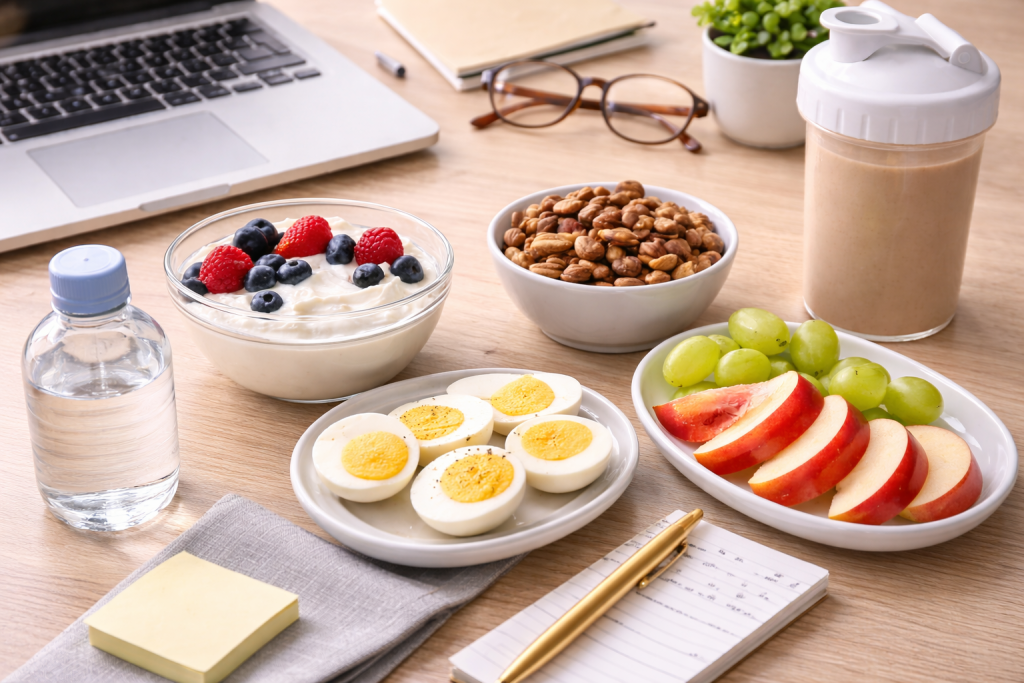
    High-protein snacks on a work desk including Greek yogurt with berries, boiled eggs, nuts, and sliced fruit.

    Long workdays can make it difficult to eat well. Many people start the day with good intentions, but by mid-afternoon hunger starts to set in. When that happens, it’s easy to grab whatever snack is nearby — often something sugary that provides a quick burst of energy but doesn’t keep you full for very long.

    This is where high-protein snacks can make a big difference.

    Protein helps keep you feeling satisfied for longer periods of time, supports steady energy levels, and can help prevent the afternoon energy crash that many people experience at work. For busy professionals, keeping a few reliable high-protein snacks available during the workday can make eating healthier much easier.

    The good news is that high-protein snacks don’t need to be complicated. Many simple foods can provide the protein your body needs while still being convenient enough to bring to work.

    Why Protein Is Important for Workday Energy

    Protein plays an important role in keeping you full and focused throughout the day. Compared to snacks that are mostly refined carbohydrates, protein tends to digest more slowly. This helps stabilize blood sugar levels and prevents the quick energy spikes and crashes that can come from sugary snacks.

    For people working long hours, protein can help maintain energy and concentration during the afternoon when productivity often starts to decline.

    Even adding a small amount of protein to your snacks can make a noticeable difference in how satisfied you feel between meals.

    Simple High-Protein Snacks to Bring to Work

    One of the best strategies is to keep a small rotation of snacks that are easy to pack, require minimal preparation, and provide a good amount of protein.

    Some convenient high-protein snack options include:

    • Greek yogurt with fruit
    • Hard-boiled eggs
    • Cottage cheese with berries
    • Protein smoothies
    • Roasted chickpeas
    • Tuna packets with crackers
    • Peanut butter with apple slices
    • String cheese with whole-grain crackers
    • Protein bars with simple ingredients
    • Hummus with vegetables

    These snacks are simple, portable, and easy to keep available during the workweek.

    Build Snacks That Keep You Full

    Protein works even better when it’s combined with fiber or healthy fats. This combination slows digestion and helps keep you feeling satisfied for longer.

    For example:

    • Greek yogurt with nuts
    • Apple slices with peanut butter
    • Cottage cheese with fruit
    • Hummus with carrots or cucumbers

    These combinations create more balanced snacks that provide both energy and satiety.

    For many busy professionals, these types of snacks can help bridge the gap between meals without feeling overly heavy.

    Keep a Snack Drawer at Work

    One simple habit that can make healthy eating easier is keeping a small collection of snacks at your desk or in the office kitchen.

    This prevents situations where hunger hits and the only available option is a vending machine or nearby fast food.

    Some easy snacks to keep at work include:

    • Protein bars
    • Roasted nuts
    • Tuna packets/ or can
    • Peanut butter packets
    • Shelf-stable protein shakes
    • Roasted chickpeas

    Having these available can make it much easier to stay consistent with healthy eating habits throughout the week.

    Making Healthy Workday Eating Easier

    Eating healthy during busy workdays doesn’t have to be complicated. Often the biggest challenge is simply having the right foods available when hunger hits.

    By keeping a few high-protein snacks ready at work or packing them in advance, it becomes much easier to maintain energy levels and avoid the mid-afternoon crash.

    For people with long work hours, simple habits like these can make healthy eating far more practical and sustainable.

  • How to Always Have Something Easy to Eat at Home

    Kitchen counter with rotisserie chicken, eggs, bread, fruit, and simple foods ready for easy meals at home.

    Long workdays can make healthy eating feel almost impossible. After spending hours at work, commuting home, and dealing with daily responsibilities, the last thing most people want to do is cook a complicated meal from scratch.

    This is one of the biggest reasons people end up ordering takeout or grabbing fast food. It’s not always about cravings — it’s often about convenience. When there’s nothing quick to eat at home, takeout becomes the easiest option.

    But keeping food simple doesn’t require hours of meal prep or a perfectly organized kitchen. The real solution is creating a home environment where there is always something easy to eat available.

    With a few practical habits, you can make sure your kitchen always has simple options ready for those busy evenings.

    Keep a Small Rotation of Reliable Foods

    One of the easiest ways to avoid the “there’s nothing to eat” problem is to keep a small group of foods you regularly buy and rely on.

    These don’t have to be complicated or gourmet meals. The goal is simply to have a few foods you know you can quickly turn into a meal when you’re tired.

    Some reliable examples include:

    • Rotisserie chicken
    • Eggs
    • Greek yogurt
    • Pre-washed salad greens
    • Microwaveable rice or grains
    • Frozen vegetables
    • Whole-grain bread or wraps

    These foods require very little effort but can quickly become a full meal when combined. For example, leftover rotisserie chicken with microwave rice and frozen vegetables can be ready in just a few minutes.

    When you keep a consistent rotation of simple foods like this, dinner becomes much easier to figure out.

    Use Your Freezer as a Backup Plan

    A well-stocked freezer can be one of the most helpful tools for busy people.

    Frozen foods often get a bad reputation, but many frozen options are nutritious, affordable, and extremely convenient. Keeping a few freezer staples ensures you always have a fallback meal when the refrigerator is empty.

    Helpful freezer options include:

    • Frozen vegetables
    • Frozen fruit for smoothies
    • Frozen chicken or fish
    • Frozen dumplings or simple meals
    • Homemade leftovers

    Frozen vegetables, in particular, are one of the easiest ways to add nutrition to quick meals. They cook quickly and last much longer than fresh produce.

    Having just a few frozen options available can prevent those nights where ordering food feels like the only option.

    Make Convenience Work in Your Favor

    Many people think eating healthy means cooking everything from scratch. While cooking can be great, it’s not always realistic after a long workday.

    Convenience foods can actually support healthy eating when used wisely.

    Some helpful examples include:

    • Pre-cut vegetables
    • Bagged salad kits
    • Pre-cooked grains
    • Rotisserie chicken
    • Pre-made soups

    These foods reduce preparation time and make it easier to build simple meals without much effort.

    For someone working long hours, reducing cooking time is often the key to staying consistent with healthy eating habits.

    Cook Once, Eat More Than Once

    Another practical strategy is to cook slightly more food when you do cook.

    This doesn’t require full meal prepping for the entire week. Instead, it simply means making enough for leftovers.

    For example, if you cook chicken, rice, pasta, or roasted vegetables, making extra portions can give you easy meals for the next day or two.

    Leftovers often become the easiest meals because they require almost no preparation.

    Over time, this simple habit can make your kitchen feel like it always has food available.

    Keep Simple Snack-Style Meals Available

    Not every meal needs to look like a traditional dinner plate.

    Sometimes the easiest option is a quick combination of foods that together make a balanced meal.

    Examples might include:

    • Greek yogurt with fruit and nuts
    • Toast with eggs and avocado
    • A wrap with chicken and vegetables
    • Cottage cheese with fruit
    • A smoothie with protein and frozen fruit

    These kinds of meals require very little preparation but can still be satisfying and nutritious.

    Build a Kitchen That Works for Your Schedule

    The biggest key to always having something easy to eat at home is designing your kitchen around your lifestyle.

    If you work long hours, complex recipes and daily cooking may not always be realistic. Instead, focusing on simple foods, freezer backups, and convenient ingredients can make healthy eating much more manageable.

    With a few reliable foods in your fridge, freezer, and pantry, you’ll rarely find yourself in that frustrating situation of being tired, hungry, and unsure what to eat.

    And when something easy is always available, sticking to healthier habits becomes much easier.

  • Healthy Eating With Long Work Hours: A Realistic Approach That Actually Works

    Realistic healthy eating for people with long work hours at home after work

    Long work hours change the way you eat.

    When your days start early and stretch into the evening, food often becomes reactive instead of intentional. You grab what’s nearby, skip meals without meaning to, or rely on whatever feels easiest when you finally get home. It’s not a lack of discipline. It’s fatigue.

    Healthy eating with long work hours has to look different from the advice you usually see online. It can’t depend on elaborate meal prep sessions, complicated recipes, or perfectly timed eating schedules. It has to fit inside a demanding routine without creating more stress.

    The key is realism.

    When Time Is Limited, Simplicity Wins

    The biggest obstacle to healthy eating during long workweeks isn’t knowledge — it’s capacity. After ten or more hours of mental effort, decision-making becomes harder. The more complicated your food plan is, the less likely it is to survive the week.

    That’s why simple meals tend to work best.

    A repeatable breakfast like Greek yogurt with fruit and nuts. A wrap filled with rotisserie chicken and greens. A rice bowl built with pre-cooked grains and a ready-to-use protein. These meals don’t require creativity every day. They require consistency.

    And consistency is what keeps you steady.

    Repetition Reduces Stress

    People often assume variety equals better nutrition. But during intense work periods, too much variety can actually increase friction. Deciding what to cook every night adds another layer of mental effort to an already long day.

    Healthy eating with long work hours becomes easier when you rotate a small number of reliable meals. Knowing exactly what you’re going to eat removes uncertainty. Grocery shopping becomes faster. Preparation becomes automatic. Energy is preserved for things that matter more.

    There is nothing unhealthy about repeating meals that work for you.

    Convenience Is Not the Enemy

    For someone working long hours, convenience foods are often what make healthy eating possible.

    Pre-washed greens, frozen vegetables, canned beans, rotisserie chicken, microwave rice, and simple bottled sauces reduce the time between arriving home and eating. They remove steps, and fewer steps mean fewer chances to give up.

    Healthy eating doesn’t require everything to be homemade. It requires food that you will actually prepare and eat.

    When convenience supports consistency, it becomes part of a smart strategy.

    Balanced Meals Support Long Days

    Long work hours demand stable energy. Skipping meals or relying heavily on refined snacks can lead to mid-afternoon crashes or late-night overeating.

    Meals that include protein, carbohydrates, and some healthy fats tend to digest more steadily and support better focus. That balance doesn’t need to be perfect. It simply needs to be present most of the time.

    A chicken and rice bowl with vegetables. A sandwich with lean protein and fruit. A yogurt bowl with nuts and berries. These aren’t complicated meals, but they can carry you through demanding schedules more reliably than random grazing.

    Planning for Exhaustion Matters

    Even the best intentions can fall apart when meetings run late or energy disappears. Realistic healthy eating for people with long work hours includes backup options.

    Keeping simple, ready-to-eat foods available prevents the “there’s nothing here” moment that leads to takeout. A frozen meal you enjoy, sandwich ingredients, yogurt, canned soup, or even a quick smoothie can bridge the gap on your busiest days.

    Planning for low-energy moments is not pessimistic. It’s practical.

    Realistic Healthy Eating Is Sustainable Eating

    The most important shift for people with long work hours is adjusting expectations. Healthy eating should support your schedule, not compete with it.

    You don’t need elaborate systems or perfect execution. You need meals that fit into real evenings, realistic grocery trips, and limited mental space.

    When your food choices match your lifestyle, healthy eating stops feeling like another responsibility. It becomes part of the structure that helps you keep going.

    And that’s what makes it sustainable.

  • Realistic Healthy Eating for People With Long Work Hours

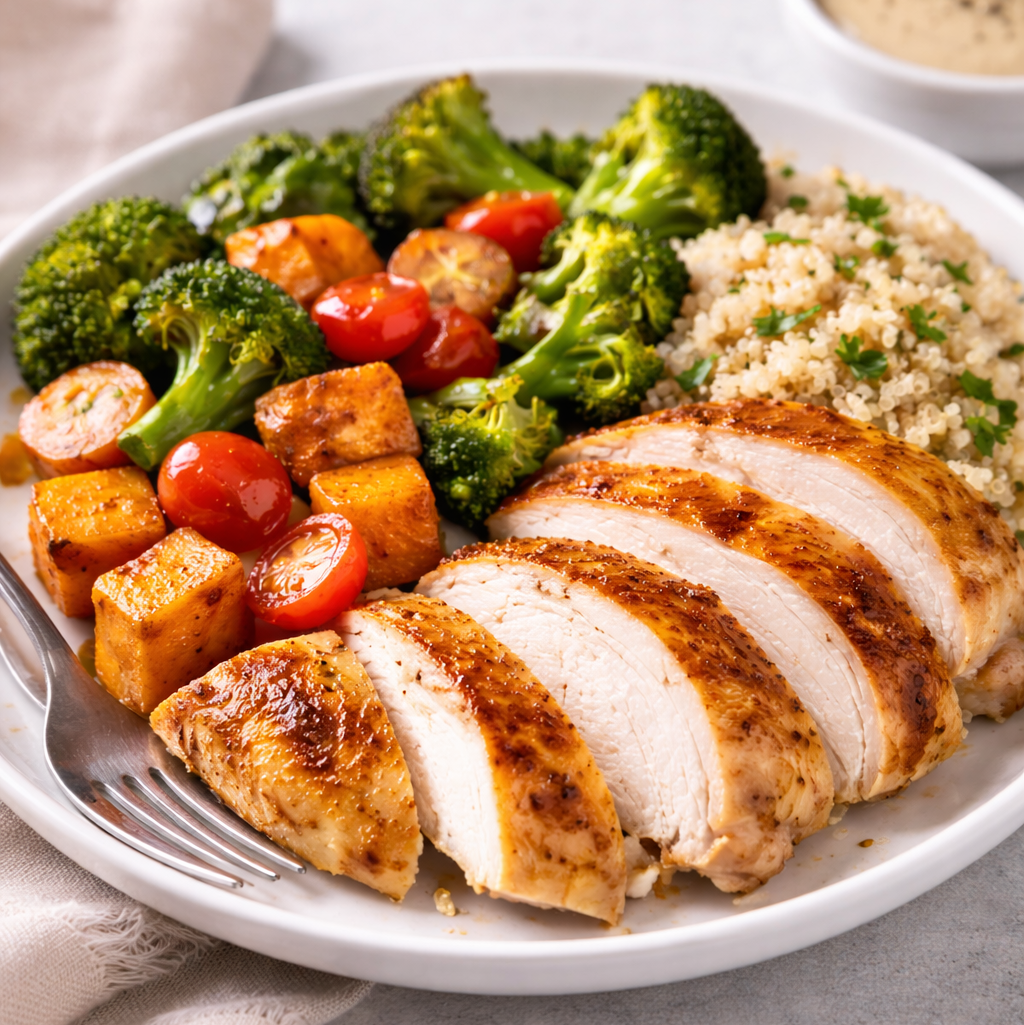
    Healthy meal with rotisserie chicken, vegetables, and quinoa

    Long workdays change the way you eat.

    When you leave early, get home late, and spend most of your mental energy at work, food can start to feel like another task you don’t have the capacity for. It’s not that you don’t care about eating well. It’s that your schedule doesn’t leave much room for complexity.

    That’s why realistic healthy eating for people with long work hours has to look different from what you see online. It can’t depend on elaborate meal prep sessions or perfectly portioned containers lined up in the fridge. It has to fit into real life — even on your most exhausting day.

    The goal isn’t to eat perfectly. It’s to eat consistently in a way that supports your energy.

    Your Plan Has to Match Your Schedule

    A common mistake is trying to follow routines designed for people with lighter days and more free time. If you regularly work ten or more hours, your approach needs to be simpler.

    Meals should rely on foods that are quick to assemble, easy to shop for, and low effort to clean up. If something feels overwhelming at the grocery store, it will feel even more overwhelming at 8 PM after a long shift.

    Healthy eating becomes sustainable when it feels manageable, not ambitious.

    Repetition Is Not a Failure

    When you’re busy, variety can actually make things harder. Deciding what to eat every single day drains mental energy you may not have.

    There’s nothing wrong with rotating the same few meals during demanding weeks. A breakfast like Greek yogurt with fruit and nuts can work every weekday morning. A wrap filled with rotisserie chicken, greens, and hummus can carry you through many lunches. A quick rice bowl with pre-cooked grains and a simple protein can show up multiple nights without becoming a problem.

    Predictability reduces stress. And less stress makes consistency easier.

    Convenience Is a Tool, Not a Shortcut

    People with long work hours often feel guilty about leaning on convenience foods. But convenience exists for a reason.

    Pre-washed salad mixes, canned beans, frozen vegetables, microwave rice, rotisserie chicken, and bottled sauces remove unnecessary steps. They make it possible to build balanced meals without starting from scratch.

    Using them doesn’t mean you’re cutting corners. It means you understand your time is limited and you’re adjusting accordingly.

    Simple Structure Beats Complicated Rules

    You don’t need rigid food rules. You just need basic structure.

    When meals include some protein, a carbohydrate, and something fresh like fruit or vegetables, energy tends to feel more stable. That balance helps prevent the late-day crash that often leads to overeating or grabbing whatever is quickest.

    It doesn’t need to be perfect. It just needs to be intentional most of the time.

    Plan for the Days That Go Long

    Long work hours are rarely predictable. Meetings run over. Traffic happens. Energy dips.

    Keeping simple backup options in your fridge or pantry protects you on those nights. A frozen meal you actually enjoy, a pre-made salad with added protein, or even a sandwich assembled in five minutes is often better than skipping dinner or defaulting to takeout.

    Realistic systems include flexibility.

    Conclusion

    Realistic healthy eating for people with long work hours isn’t about discipline. It’s about design.

    When your food choices align with your actual schedule, eating well becomes far less stressful. You don’t need elaborate plans or complicated prep. You need reliable meals, simple ingredients, and expectations that match your life.

    Healthy eating should support your long days — not make them harder.

  • Foods That Help You Avoid the Afternoon Crash at Work

    Tired woman experiencing the afternoon crash at work

    It usually hits sometime between 2 and 4 PM.

    Your focus fades. You reread the same sentence twice. You start thinking about coffee, snacks, or anything that might wake you up. The afternoon crash at work is incredibly common — especially after a busy morning and a quick lunch.

    But that slump isn’t random.

    Often, it’s tied to what (and how) you ate earlier in the day.

    Certain foods can help stabilize your energy so you don’t feel like you’re running on empty before the workday ends.

    Why the Afternoon Crash Happens

    The afternoon dip in energy is partly natural. Your body’s circadian rhythm tends to dip slightly in the early afternoon.

    But food plays a major role too.

    Large, high-sugar, or low-protein lunches can cause blood sugar to spike and then drop. When blood sugar drops quickly, you feel tired, unfocused, and sluggish.

    The solution isn’t eliminating carbs or drinking endless coffee. It’s building meals that digest steadily and support stable energy.

    Protein: Your Energy Anchor

    Protein slows digestion and helps prevent rapid blood sugar swings.

    If your lunch lacks protein, it may not last long.

    Good midday protein sources include:

    • Greek yogurt
    • Chicken or turkey
    • Tuna or salmon
    • Hard-boiled eggs
    • Cottage cheese
    • Beans or lentils

    Pairing protein with carbohydrates makes energy feel more stable.

    Fiber-Rich Carbohydrates That Keep You Steady

    Carbohydrates aren’t the enemy — the type matters.

    Whole grains, beans, vegetables, and fruit provide fiber, which slows how quickly sugar enters your bloodstream.

    Better choices include:

    • Whole-grain bread or wraps
    • Brown rice or quinoa
    • Oats
    • Beans
    • Apples or berries

    These foods support longer-lasting energy compared to refined snacks.

    Healthy Fats That Add Staying Power

    Fats help meals feel satisfying and reduce the urge to snack constantly.

    Small additions can make a difference:

    • Avocado
    • Nuts
    • Nut butter
    • Olive oil
    • Seeds

    You don’t need large amounts — just enough to round out your meal.

    Hydration Matters More Than You Think

    Sometimes what feels like a crash is mild dehydration.

    Even small drops in hydration can affect focus and energy. Drinking water consistently through the morning and afternoon helps prevent unnecessary fatigue.

    Coffee can help temporarily, but it’s not a replacement for water.

    What a Crash-Preventing Lunch Looks Like

    When you combine these elements, lunch becomes much more powerful.

    Examples:

    Turkey and avocado wrap
    Protein + fiber + healthy fat.

    Greek yogurt bowl with berries and nuts
    Protein + fiber + fat.

    Chicken and quinoa bowl with vegetables
    Balanced macronutrients + volume.

    Bean and avocado toast
    Fiber + protein + fat.

    It’s less about one “magic” food and more about balance.

    Conclusion

    Foods that help you avoid the afternoon crash at work are usually simple. They combine protein, fiber-rich carbohydrates, healthy fats, and hydration.

    When lunch is balanced, your energy tends to be more stable. And when energy is stable, the last few hours of the workday feel much more manageable.

    Small adjustments at lunch can make a big difference by 3 PM.

  • Healthy Foods That Make Workdays Feel Easier (Not Heavier)

    What you eat during the workday has a direct effect on how the day feels. Some meals leave you steady, focused, and comfortable. Others make you sluggish, distracted, or ready for a nap by mid-afternoon.

    Eating well at work isn’t about perfection or strict rules. It’s about choosing foods that support your energy instead of draining it. When meals are balanced and easy to digest, the entire workday tends to run more smoothly.

    First, Why Some Meals Slow You Down

    Heavy, overly rich, or unbalanced meals can work against you. Large portions, high amounts of refined carbohydrates, or meals that lack protein often lead to energy dips later in the day.

    Digestion takes effort. When meals are very large or difficult to process, you might notice tiredness, brain fog, or a drop in motivation. This helps explain why fast, convenient foods can feel satisfying in the moment but harder to recover from later.

    The goal isn’t to eat tiny meals either. It’s to eat meals that are satisfying without overwhelming you.

    What Lighter, More Supportive Meals Include

    Meals that make workdays feel easier usually share a simple structure. They contain protein for staying power, carbohydrates for fuel, and vegetables or fiber for balance. They’re filling, but not excessive.

    Protein is especially important during the day. It helps you stay full longer and prevents the kind of hunger rebound that leads to vending machine trips later. Foods like grilled chicken, tuna, salmon, eggs, Greek yogurt, tofu, or beans all work well and pair easily with grains, wraps, or salads.

    Carbohydrates also play a key role. Rice, quinoa, potatoes, oats, whole-grain breads, and fruit provide energy your brain and body need to stay productive. When combined with protein, they help maintain steady focus instead of sharp spikes and crashes.

    Vegetables round everything out. They add volume, hydration, and nutrients while keeping meals comfortable. Leafy greens, cucumbers, tomatoes, carrots, and peppers can make even simple meals feel fresher and easier to eat.

    How This Looks in Real Life

    In practice, supportive meals are usually simple. A bowl with rice, chicken, and vegetables. A wrap filled with turkey, hummus, and greens. Yogurt with fruit and granola. These meals aren’t complicated, but they consistently help people feel better during long days.

    The best options are often the ones you can repeat without much effort. When meals are reliable, you spend less time worrying about food and more time focusing on your responsibilities.

    Sometimes the most useful question isn’t whether a meal is perfect, but whether it helps you feel good enough to do your job well.

    Conclusion

    Healthy foods that make workdays feel easier aren’t special or elaborate. They’re simply meals that provide steady energy, include enough protein, and avoid overwhelming your system.

    When you build meals with comfort and balance in mind, work tends to feel smoother. You think more clearly, stay more consistent, and avoid the slump that makes long days harder than they need to be.

  • Healthy Food Shortcuts That Save Time During the Workweek

    Eating well during the workweek often feels harder than it should. Not because healthy food is complicated, but because time is limited and energy runs out quickly. When schedules are packed, even small obstacles can make eating at home feel unrealistic.

    That’s where food shortcuts come in. Healthy shortcuts aren’t about cutting corners or sacrificing quality. They’re about removing unnecessary steps so eating well fits into a busy workweek instead of competing with it.


    Use Pre-Prepared Ingredients on Purpose

    Pre-prepared foods often get a bad reputation, but they can be one of the biggest time savers during the workweek.

    Rotisserie chicken, pre-cooked grains, washed greens, and frozen vegetables cut preparation time dramatically. These foods still offer real nutrition, just without the extra work. Using them intentionally makes it possible to build full meals in minutes instead of skipping meals or relying on takeout.

    The goal isn’t to cook everything from scratch. It’s to get food on the table consistently.

    Repeat Meals to Save Time and Mental Energy

    Variety sounds appealing, but during busy weeks it often creates more work. Deciding what to eat every day adds mental strain after a long workday.

    Repeating meals reduces that burden. Eating the same breakfast or lunch several days in a row saves time, simplifies grocery shopping, and removes daily decision-making. This doesn’t mean eating boring food forever — it just means making busy weeks easier to manage.

    Consistency beats variety when time is limited.

    Build Meals Around Simple Templates

    Healthy meals don’t need to be reinvented every night. Simple templates make meal building faster and more reliable.

    A basic structure like protein, vegetables, and a carbohydrate works in almost any combination. Once you have that structure in mind, meals come together quickly without much thought. This approach also makes grocery shopping easier because you’re buying familiar ingredients that work in multiple meals.

    Templates turn cooking into assembly instead of a project.

    Keep Backup Foods Ready at All Times

    Busy workweeks are unpredictable, which makes backup foods essential. These are the foods you rely on when plans fall apart or energy runs low.

    Keeping easy options on hand — like wraps, cold meals, or no-cook combinations — helps prevent last-minute food decisions. Backup foods don’t need to be exciting. They just need to work when nothing else does.

    Having a plan for low-energy days makes healthy eating more consistent.

    Use Shortcuts That Reduce Cleanup

    Cleanup is often the hidden reason people avoid cooking. The thought of dishes can be just as draining as cooking itself.

    One-pan meals, sheet-pan cooking, and simple bowls reduce cleanup and make meals feel more manageable. Even using disposable parchment or foil during especially busy weeks can help remove another barrier to eating at home.

    Less cleanup means less resistance.

    Think in Terms of Time Saved, Not Perfection

    Healthy food shortcuts aren’t about doing everything the “right” way. They’re about doing things in a way that works during real workweeks.

    If a shortcut saves time and helps you eat at home more often, it’s doing its job. Small efficiencies add up, especially when they remove stress instead of adding it.

    Progress during busy weeks comes from practicality, not perfection.


    Eating well during the workweek doesn’t require more motivation or longer cooking sessions. It requires systems that save time and reduce effort when life is busy.

    Healthy food shortcuts make eating at home easier, more consistent, and far less stressful. When food fits into your schedule instead of fighting it, healthy habits become much easier to maintain over time.

  • How to Stop Relying on Takeout During Busy Workweeks

    Busy workweeks often change how we eat. When schedules are packed and energy is limited, food decisions tend to become reactive rather than intentional. Takeout becomes the default not because it’s ideal, but because it’s convenient and requires very little effort at the end of a long day.

    Learning how to rely less on takeout isn’t about cooking elaborate meals or having more discipline. It’s about setting up simple systems that make eating at home easier and more realistic during demanding weeks.


    Why Takeout Becomes the Default

    Takeout works because it solves several problems at once. It saves time, reduces decision-making, and delivers food right when hunger hits. After a full workday, that convenience is hard to replace.

    Most people rely on takeout not because they prefer restaurant food every night, but because they didn’t plan for a low-effort alternative. When there’s no food ready and no energy to cook, takeout fills the gap.

    Understanding this shifts the focus away from discipline and toward preparation.

    Plan for Realistic Weeks, Not Ideal Ones

    A common mistake is planning meals around an ideal schedule. It’s easy to assume you’ll cook regularly or have time to prepare food after work. In reality, busy weeks rarely allow for that.

    Planning for simple, low-effort meals makes a bigger difference than planning elaborate dinners. Meals that take little time, require minimal cleanup, or can be eaten cold tend to work best when schedules are unpredictable.

    When your food plan reflects how your week actually looks, it becomes easier to stick with it.

    Make Eating at Home Convenient

    If takeout feels faster and easier, it will naturally win. To rely on it less, eating at home needs to feel just as convenient.

    Keeping simple proteins, ready-to-eat vegetables, and basic carbohydrates on hand allows meals to come together quickly. Having food that is already prepared or partially ready reduces the effort required at the end of a long day.

    Convenience matters more than variety during busy workweeks.

    Use Backup Meals Instead of Motivation

    Busy weeks benefit from reliable backup meals. These are meals that don’t require much thought and work even when energy is low.

    A wrap with protein and vegetables, a cold grain bowl, or a simple no-cook meal can serve this role. Having a few dependable options reduces the temptation to order takeout simply because cooking feels overwhelming.

    Consistency matters more than excitement when time is limited.

    Reduce Decision Fatigue Around Food

    After making decisions all day, choosing what to eat can feel exhausting. This mental fatigue often leads people to default to takeout.

    Reducing choices helps. Repeating meals, rotating a small list of go-to options, or planning meals ahead of time can make eating feel more automatic.

    When food decisions require less thought, it’s easier to follow through with eating at home.

    Keep Takeout as a Planned Option

    Completely avoiding takeout isn’t always realistic. Trying to eliminate it entirely can turn food into an all-or-nothing situation.

    Instead, decide in advance when takeout makes sense. Planning for it removes guilt and helps prevent it from becoming the default choice every night.

    This approach allows flexibility without letting takeout take over the week.


    Reducing reliance on takeout during busy workweeks isn’t about cooking more or having more discipline. It’s about setting up food options that work when time and energy are limited.

    When eating at home feels practical and easy, takeout naturally becomes less necessary. Small changes in planning and preparation can make a meaningful difference over time.

  • Healthy Meals You Can Eat Cold Without Reheating

    Whether you’re eating at work, traveling, or getting home late, there are plenty of healthy meals you can eat cold without reheating that still feel complete. When you choose the right combinations, cold meals can be filling, balanced, and easy to rely on — without feeling like you’re settling for snacks.

    The key is building meals with enough protein, real carbohydrates, vegetables, and flavor so they actually satisfy you.


    Why Cold Meals Make Life Easier

    Cold meals simplify eating. There’s no reheating, no waiting, and no relying on a microwave, which makes them easier to fit into busy or unpredictable days. When packed properly and kept cold, they’re also practical and reliable for work or travel. Most importantly, cold meals remove extra steps, making it more likely you’ll actually eat a full, balanced meal instead of skipping food or grabbing something random

    What Makes a Cold Meal Feel Like a Real Meal

    A real cold meal needs structure. Protein keeps you full. Carbohydrates provide energy. Vegetables add volume and nutrition. Flavor matters just as much as anything else.

    Spreads, dressings, and simple seasonings prevent cold meals from tasting flat. When all of these pieces are present, the meal feels intentional rather than rushed or incomplete.

    Protein-Based Cold Meals That Hold Up Well

    Protein is the foundation of a satisfying cold meal, and certain proteins work especially well without heat.

    One example is sliced rotisserie or grilled chicken paired with whole-grain bread, roasted red peppers, cucumbers, and a light spread like hummus or pesto. This kind of meal eats well cold and still feels substantial.

    Tuna mixed with olive oil, lemon, and a bit of Dijon mustard can be served over cooked rice or quinoa with cherry tomatoes, chopped spinach, and cucumbers. It’s filling, flavorful, and holds up well in the fridge.

    Salmon also works surprisingly well cold. Flaked cooked salmon over rice with avocado, shredded carrots, and a light yogurt-based dressing creates a balanced meal that doesn’t need reheating.

    Hard-boiled eggs can be the protein base of a full meal when paired with roasted potatoes eaten cold, fresh greens like arugula or spinach, and a simple vinaigrette. This turns eggs into a complete, filling option rather than a snack.

      Wraps and Sandwiches That Feel Like Proper Meals

      Wraps and sandwiches are some of the easiest ways to build cold meals that feel complete.

      A turkey and cheese wrap with romaine lettuce, sliced tomatoes, cucumbers, and a spread like mashed avocado or mustard makes a solid lunch that doesn’t rely on heat. Adding whole-grain wraps or bread helps it feel more filling.

      Chicken salad made with Greek yogurt, celery, red onion, and herbs can be served in a wrap or on whole-grain bread with leafy greens. This kind of meal is designed to be eaten cold and still tastes good hours later.

      Egg salad made with Greek yogurt or light mayo, paired with spinach and tomatoes on bread, works the same way. It’s filling, familiar, and easy to eat anywhere.

      Cold Bowls and Salads That Eat Like Meals

      Cold bowls and salads work best when they’re built with heartier ingredients.

      A quinoa bowl with grilled chicken, roasted sweet potatoes eaten cold, spinach, and a simple olive oil and lemon dressing makes a full meal that holds up well in the fridge. Pasta salads with whole-grain pasta, chicken, cherry tomatoes, cucumbers, and vinaigrette are another option that stays satisfying without reheating.

      Chickpea salads mixed with olive oil, red onion, tomatoes, and herbs can be paired with rice or bread to make them more filling. Grain bowls made with rice or farro, protein, vegetables, and dressing are especially useful for work lunches.

      No-Cook Meals That Are Still Full Meals

      Even without cooking, it’s possible to put together cold meals that feel complete.On especially busy days, having a few healthy no-cook meals for work ready can make it much easier to eat a full meal without relying on a microwave.

      A bowl of Greek yogurt paired with granola, fruit, and nut butter becomes a full meal rather than a snack when the portions are right. A smoothie made with protein powder, frozen fruit, oats, and nut butter can also function as a meal when you need something quick and filling.

      Wraps made ahead with deli turkey, cheese, lettuce, tomatoes, and a spread like hummus or mustard are another example of no-cook meals that still provide enough substance to carry you through the day.


      Healthy meals don’t need to be hot to be satisfying. When built with real ingredients, cold meals can be balanced, filling, and easy to stick with — even on the busiest days.

      If reheating food feels like a hassle, keeping a short list of healthy meals you can eat cold without reheating can make eating well far more manageable.

      Sometimes the simplest meals are the ones that work best.