Category: Meal Prep & Grocery Tips

  • Simple Grocery Staples for Easy Workweek Meals

    Grocery staples in a shopping basket for easy workweek meals

    Workweek meals often feel harder than they should. After long days, limited time, and mental fatigue, even simple cooking can seem like too much. When the right foods aren’t in the kitchen, takeout quickly becomes the default.

    That’s where simple grocery staples for easy workweek meals can change everything.

    With a short list of reliable, ready-to-use ingredients, you can build quick breakfasts, packable lunches, and low-effort dinners without starting from scratch. The goal isn’t perfection — it’s making everyday eating feel manageable.

    What Makes a Staple Worth Buying

    The best staples do at least one of three things. They save time, reduce effort, or make it easier to build a filling meal without thinking too hard.

    They’re not fancy ingredients. In fact, they’re usually the opposite. They’re dependable foods that show up again and again when people need something that works.

    Proteins That Make Meals Happen Fast

    Having ready-to-use protein in the fridge is one of the simplest ways to prevent last-minute food stress.

    Rotisserie chicken can turn into wraps, sandwiches, tacos, or quick plates in minutes. Deli turkey, smoked salmon, canned tuna, and hard-boiled eggs offer the same convenience. Greek yogurt and cottage cheese are also incredibly useful when you need something filling without cooking.

    When protein is easy, dinner becomes easier.

    Carbohydrates That Require Almost No Work

    Carbs often become complicated because people assume they need to cook them from scratch. But many good options are already ready or cook very quickly.

    Bread, tortillas, bagels, microwave rice, frozen grains, and pasta make it possible to build a meal fast. They provide energy and help simple ingredients feel complete.

    Without them, meals can feel like snacks.

    Vegetables That Save Time Instead of Creating More Work

    Vegetables don’t have to mean chopping.

    Bagged salads, pre-washed greens, baby carrots, cherry tomatoes, cucumbers, frozen vegetables, and pre-cut produce allow you to add freshness without adding another task to your night.

    When vegetables are easy to grab, you’re much more likely to eat them.

    Flavor Boosters That Make Simple Food Better

    A meal doesn’t need to be complicated, but it does need to taste good.

    Hummus, pesto, salsa, vinaigrettes, shredded cheese, olives, mustard, and seasoning blends can completely change basic ingredients. They help quick meals feel intentional rather than thrown together.

    This is often the difference between enjoying dinner and wishing you had ordered something else.

    When these foods are already in your kitchen, dinner stops being a daily puzzle. You know you can build something without a lot of thinking, and that confidence makes evenings feel better.

    It’s not about being perfect. It’s about making sure tired-you has options.

    Conclusion

    Simple grocery staples for easy workweek meals aren’t glamorous, but they are powerful. They quietly remove barriers and make it far more realistic to eat at home, even when energy is low.

    A small amount of planning at the store can save a surprising amount of stress later in the week.

    And most of the time, that’s exactly what people need.

  • Healthy Meals You Can Make With Rotisserie Chicken

    Rotisserie chicken is one of the most underrated tools for eating well during a busy week. It’s already cooked, easy to find, and flexible enough to turn into several meals without much thought.

    For busy professionals, that matters. After a long workday, the last thing you want is a complicated recipe or a pile of dishes. The goal isn’t to cook from scratch every night — it’s to get something healthy on the table without draining your energy.

    These meal ideas are built around that reality. Each one uses rotisserie chicken as the base and turns it into something satisfying, simple, and easy to repeat.


    Chicken Salad (The Flexible Kind)

    Shred rotisserie chicken and mix it with a light base like Greek yogurt or a small amount of mayo, then add crunch with celery, red onion, or chopped apples. You can keep it simple or adjust it depending on what you have on hand.

    This is the kind of meal that works just as well for lunch as it does for dinner, especially on days when you want something cold, quick, and reliable.


    Chicken & Veggie Grain Bowls

    Grain bowls are an easy way to turn leftovers into a complete meal.

    Start with a base like rice, quinoa, or whatever grain you already have. Add rotisserie chicken, roasted or frozen vegetables, and finish with a simple sauce or drizzle of olive oil.

    These bowls are especially useful when you want something filling but not heavy — the kind of meal that keeps you satisfied without slowing you down.


    Chicken Tacos or Wraps

    This is one of the fastest ways to make rotisserie chicken feel like a real dinner.

    Warm the chicken briefly or use it cold, then add it to tortillas or wraps with vegetables and a simple topping like salsa, hummus, or Greek yogurt. No complicated seasoning needed.

    It’s a great option for nights when you’re short on time but still want something that feels like an actual meal, not just assembled snacks.


    Chicken & Salad Plates

    Sometimes the easiest dinner is also the cleanest.

    Pair rotisserie chicken with a large salad and a few extras like avocado, cheese, or nuts. Keep the dressing simple like Olive oil and lemon juice or Balsamic vinaigrette and let the chicken do most of the work.

    This kind of meal is perfect for evenings when you want something lighter but still filling enough to get you through the night without extra snacking.


    Chicken Stir-Fry (Shortcut Version)

    You don’t need to start from raw ingredients for stir-fry.

    Use frozen vegetables, add shredded rotisserie chicken near the end, and finish with a simple sauce like teriyaki sauce or soy sauce. Serve it over rice or eat it on its own.

    This works well when you want something warm and comforting without committing to a full cooking session.


    Chicken Soup or Broth Bowls

    Rotisserie chicken makes soup surprisingly easy.

    Use store-bought broth, add vegetables and chicken, and let it simmer briefly. You don’t need to overthink it — the goal is something warm and nourishing with minimal effort.

    This is especially useful on colder nights or when you want something easy to digest after a long day.


    Chicken Snack Plates

    Pair rotisserie chicken with fruit, vegetables, crackers, or hummus and call it a plate. This approach works well on evenings when you’re tired, not very hungry, or just don’t feel like cooking at all.

    It’s simple, balanced, and far more satisfying than grazing randomly.


    The real value of rotisserie chicken isn’t just convenience — it’s momentum. Having a ready-to-use protein in the fridge removes one of the biggest barriers to eating well: decision fatigue.

    When the hardest part of the meal is already handled, everything else becomes easier.

    Eating healthy during a busy week doesn’t require complicated recipes or perfect planning. Sometimes it starts with one smart shortcut that makes the rest of the week feel more manageable.

    Rotisserie chicken is one of those shortcuts — and when used well, it can quietly carry several meals without much effort at all.

  • Healthy Grocery List for Busy Professionals (Done in 15 Minutes)

    For busy professionals, grocery shopping often feels like another task squeezed into an already packed schedule. You get through the week, finally make it to the store, and then spend far too long deciding what to buy—only to end up with food that doesn’t quite turn into meals.

    A healthy grocery list should do more than fill your fridge. It should save time, reduce decisions, and make it easier to eat well on autopilot. The right list helps you walk into the store knowing exactly what you need, get out quickly, and spend the rest of the week worrying less about food.


    This grocery list is built around that idea. It’s not about variety for variety’s sake. It’s about choosing foods that work hard for you when time and energy are limited.

    Protein: What Keeps You Full and Functional

    Protein is the anchor for busy days. It helps prevent energy crashes, constant snacking, and the feeling that meals never quite satisfy.

    Instead of complicated prep, focus on proteins that are ready—or nearly ready—when you get home:

    • Rotisserie chicken
    • Eggs
    • Greek yogurt
    • Cottage cheese
    • Canned tuna or salmon
    • Deli turkey or chicken
    • Beans or lentils

    You don’t need all of these. Keeping just a few dependable protein options on hand makes it easier to assemble meals without starting from scratch.


    Fruits: Easy Wins That Actually Get Eaten

    Fruit works best when it’s effortless. If it requires too much prep, it tends to get skipped.

    Stick to options that are easy to grab and easy to pair with meals:

    • Bananas
    • Apples
    • Berries (fresh or frozen)
    • Oranges
    • Grapes

    These fruits work well for breakfasts, snacks, and quick add-ons throughout the week.


    Vegetables: Keep Them Simple or They Won’t Happen

    Vegetables don’t need to be complicated to be effective.

    Choose options that are ready to eat or require minimal prep:

    • Baby carrots
    • Cherry tomatoes
    • Cucumbers
    • Pre-washed salad greens
    • Frozen vegetables

    Frozen vegetables are especially useful for busy weeks—they’re already prepped, last longer, and save time.


    Carbohydrates: Energy Without Overthinking

    Carbohydrates help support energy during long workdays. The goal is choosing simple options that pair easily with protein:

    • Whole-grain bread or wraps
    • Oats
    • Rice
    • Pasta
    • Simple crackers

    These foods make meals more satisfying without adding extra decisions.


    Fats and Extras That Make Meals Feel Complete

    A few staple extras can turn basic meals into something more enjoyable:

    • Olive oil
    • Nut butter
    • Hummus
    • Nuts or seeds
    • Cheese

    These small additions help meals feel finished, which reduces the urge to snack or order takeout later.


    Convenience Foods Are Tools, Not Shortcuts

    For busy professionals, convenience foods aren’t a failure—they’re a strategy.

    Pre-cut vegetables, pre-cooked grains, bagged salad kits, and frozen fruit remove friction. They make it easier to eat at home when energy is low and time is limited. The real win is consistency, not perfection.


    Healthy eating for busy professionals isn’t about complicated plans or perfect weeks. It’s about setting yourself up with foods that make good choices easier when time and energy are limited.

    A short, intentional grocery list saves time, reduces stress, and turns healthy eating into something that fits your life—not something you have to constantly manage.You spend less time planning, less time shopping, and less time wondering what to eat.

  • Meal Prep for Busy Professionals: A Simple 1-Hour Weekly Plan

    Meal prep has a reputation for being something that takes up an entire Sunday — pot after pot on the stove, dishes piled high, and hours of standing while everyone else relaxes. If you work a full-time job, the idea of spending hours in the kitchen on your only day off can feel like just another chore.

    However, meal prep doesn’t need to be overwhelming. In fact, with a bit of planning and a realistic mindset, you can prepare several healthy meals in just one focused hour. This weekly routine is designed specifically for busy professionals who want dependable meals that save time and reduce weekly stress.


    What You Can Get Done in One Hour

    You might wonder if an hour is really enough time to prep meals. The key here is to keep expectations practical, not perfect.

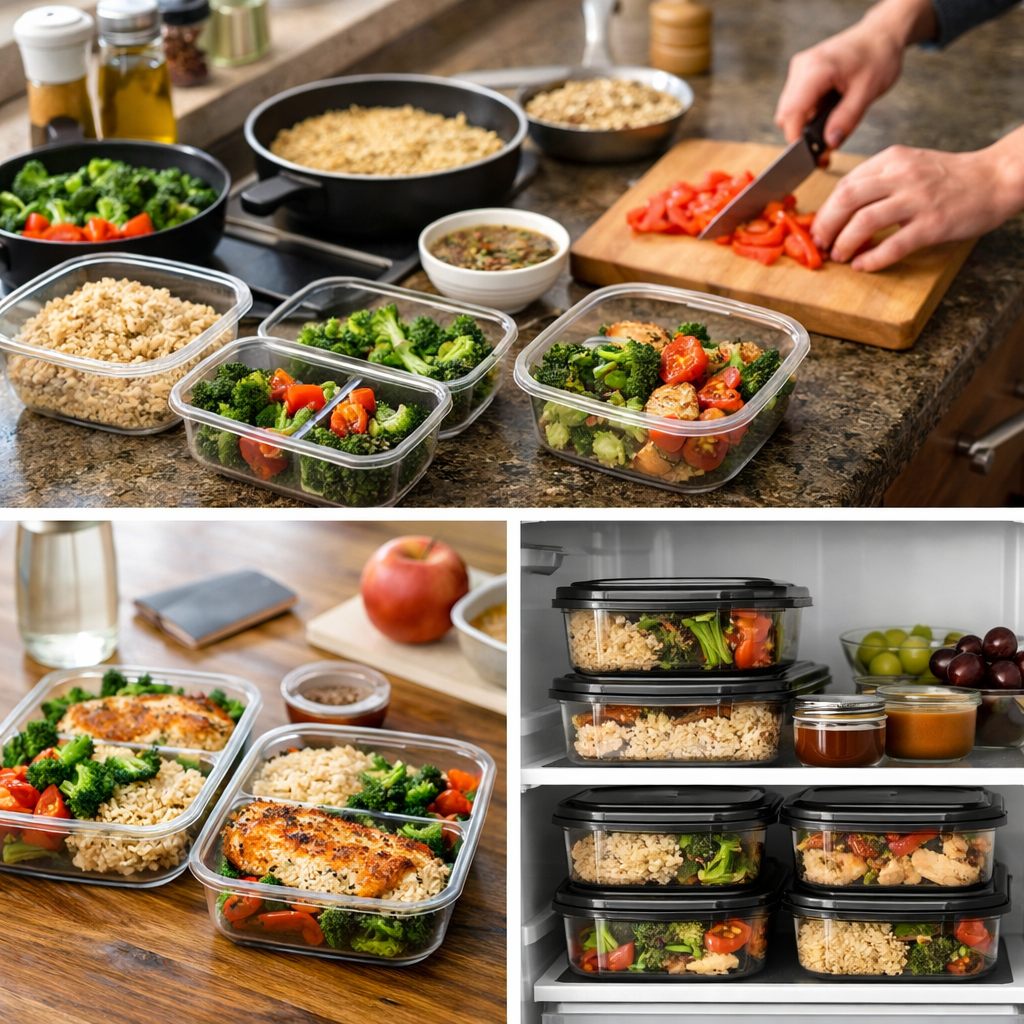
    In one hour, you can realistically prepare enough food for three to five workday lunches. That usually looks like:

    • 1 main protein
    • 1 carbohydrate base
    • A couple of simple vegetables or sides

    These foods don’t have to be fancy. They just need to be reliable, reheatable, and satisfying. That’s the foundation of this plan.

    Your One-Hour Meal Prep Routine

    The trick to hitting the one-hour mark is to work in overlapping steps instead of one-thing-at-a-time.

    Start with setup. While your oven warms and grains simmer, wash and chop vegetables, and season your proteins. Once everything is in the oven or on the stovetop, use the cooking time to clean up or organize your containers. By the time cooking finishes, you’re ready to portion and store without a last-minute rush.

    This isn’t complicated cooking — it’s smart timing. When you use your time well, the kitchen feels calm, not chaotic.


    A Meal Prep Example That Works

    Here’s a sample combination that many busy professionals come back to week after week.

    Try baked chicken or tofu with rice or quinoa and roasted vegetables like broccoli, bell peppers, or zucchini. These ingredients:

    • stay fresh longer in the fridge
    • reheat evenly
    • don’t get soggy or taste stale halfway through the week

    You can switch up seasonings or sauces during the week to keep the meals feeling different, even if the base stays the same. That’s one way to be both simple and satisfying.

    Keeping Meal Prep Simple (and Sustainable)

    The biggest mistake people make with meal prep is trying to do too much. Planning different meals for every day or aiming for perfect nutrition often turns a helpful habit into something exhausting.

    A simpler approach works better. Repeating meals, using familiar ingredients, and leaning on shortcuts like pre-cut vegetables or store-bought sauces keeps the process manageable. Meal prep isn’t about creativity — it’s about consistency.

    When the routine feels easy, it’s far more likely to stick. And over time, that consistency matters much more than variety.


    Meal prep doesn’t have to take over your weekend to be effective. For busy professionals, one focused hour is often enough to set up a smoother, less stressful workweek.

    Having meals ready ahead of time removes daily decisions and makes healthy choices easier when time and energy are limited. It’s not about perfection — it’s about creating a routine that works with your schedule, not against it.

    A simple, repeatable meal prep plan can quietly support better habits without demanding much in return.